

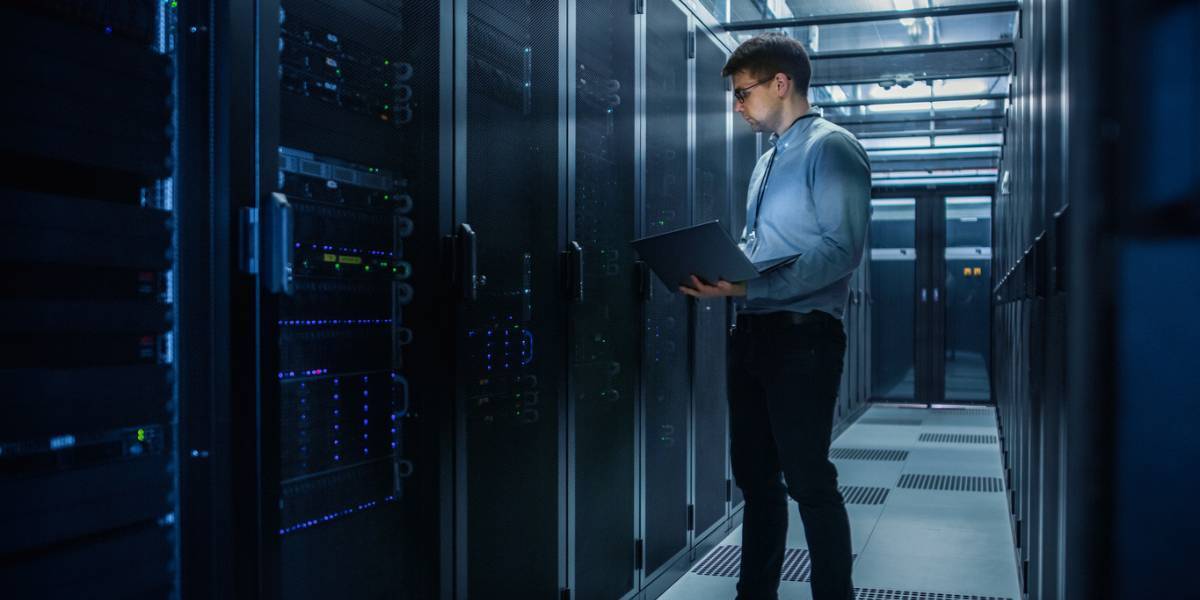
IT support services help businesses manage, maintain, and fix the technology they use every day. This includes computers, networks, software, internet connections, cloud systems, security tools, and communication platforms. Businesses rely on IT support to keep systems running properly and reduce downtime when problems happen.
For many companies, technology is tied directly to daily operations. Employees need access to devices, business applications, email, payment systems, and shared files to do their jobs. When something stops working, productivity can slow down quickly. IT support services help prevent those disruptions and provide solutions when issues appear.
Business IT support can include both remote and on-site help. Some companies use an internal IT team, while others work with outside providers for technical support, monitoring, installations, or maintenance. The level of support often depends on the size of the business, the number of locations, and the type of technology being used.
Common IT support services include:
- Help desk support for employees experiencing technical issues
- Network setup and troubleshooting
- Hardware installation and device replacement
- Software updates and system maintenance
- Cybersecurity monitoring and protection
- Cloud service management
- Backup and disaster recovery planning
- Wi-Fi and internet connectivity support
- Support for printers, phones, and business equipment
Many businesses also use IT support services to plan technology upgrades and manage growth. As companies add employees, open new locations, or adopt new systems, IT support teams help keep technology organized and consistent across the business.
Without reliable IT support, even small technical problems can create larger operational issues. That’s why many organizations treat IT support as an important part of their daily business operations.
Core IT Support Services for Businesses
Most business IT support services fall into a few major categories. These services help companies keep systems running, protect business data, and support employees who rely on technology every day.
Help Desk Support
Help desk support gives employees a place to go when they run into technical problems. This can include password resets, software issues, email problems, login failures, or device troubleshooting.
Many businesses use remote help desk support so problems can be resolved quickly without waiting for an on-site visit. Fast support helps reduce downtime and keeps employees productive.
Network and Infrastructure Support
Business networks connect computers, internet services, phones, printers, and cloud systems. IT support teams monitor and maintain these networks to keep everything connected and operating properly.
This type of support may include:
- Wi-Fi troubleshooting
- Firewall management
- Internet connectivity support
- Server maintenance
- Network performance monitoring
Strong network support is important because even a small outage can affect an entire business operation.
Cybersecurity Services
Cybersecurity services help protect businesses from online threats like phishing attacks, ransomware, malware, and unauthorized access.
IT support providers often manage:
- Antivirus and endpoint protection
- Security monitoring
- Software updates and patching
- Multi-factor authentication
- Employee security practices
As cyber threats continue to grow, businesses rely on IT support to help reduce security risks and protect sensitive information.
Hardware and Software Support
Businesses use many different types of hardware and software every day. IT support teams help install, configure, update, and troubleshoot these systems.
This includes support for:
- Computers and laptops
- Printers and scanners
- Business software
- Mobile devices
- Operating systems
Regular maintenance and updates help systems run more reliably and reduce unexpected technical issues.
Data Backup and Recovery
Data loss can happen because of cyberattacks, hardware failures, accidental deletion, or power outages. Backup and recovery services help businesses protect important files and restore systems if something goes wrong.
Many companies use automatic backups and recovery planning to reduce downtime and avoid losing critical business information.
Cloud Services and Remote Access Support
Many businesses now use cloud-based systems for file storage, communication, and daily operations. IT support teams help manage cloud platforms and make sure employees can safely access systems from different locations.
This may include:
- Cloud storage management
- Microsoft 365 or Google Workspace support
- Remote desktop access
- User account setup
- Cloud application troubleshooting
Reliable cloud support is especially important for businesses with remote or hybrid employees.
On-Site IT Support and Equipment Installation
Some technical issues require hands-on support at a business location. On-site IT services help with equipment setup, repairs, cabling, and technology installations that cannot be completed remotely.
Businesses often use on-site support for:
- New office setups
- Device replacements
- Network cabling
- Point-of-sale system installations
- Multi-location technology rollouts
Having access to on-site support helps businesses handle larger technical projects more efficiently.
IT Monitoring and Preventative Maintenance
Many businesses use IT support services to monitor systems before problems cause downtime. Monitoring tools can track network performance, device health, server activity, and security alerts in real time.
Preventative maintenance may include:
- Software updates
- System performance checks
- Device health monitoring
- Security patch management
- Storage and backup reviews
This type of support helps businesses catch small issues early before they become larger operational problems.
Technology Rollouts and Upgrades
As businesses grow, they often need to replace outdated equipment or install new technology across offices and locations. IT support teams help plan and manage these upgrades to reduce disruptions during the process.
Common rollout projects include:
- Computer and laptop replacements
- Office relocations
- New software implementation
- Phone system upgrades
- Multi-location technology installations
Organized rollouts help businesses maintain consistency while adopting new systems and equipment.
IT Consulting and Strategic Planning
Many companies use IT support services for guidance when making technology decisions. IT consulting helps businesses evaluate their current systems and plan for future growth.
This may include:
- Technology budgeting
- Infrastructure planning
- Hardware recommendations
- Cloud migration planning
- Business continuity planning
Strategic IT planning helps businesses choose technology that supports long-term operational goals rather than reacting to problems as they appear.
Real-World Examples of Business IT Support Services
IT support services are used in almost every industry. While the specific technology may differ from one business to another, the goal is usually the same: keep operations running with as little downtime as possible.
Retail Stores
Retail businesses depend on technology for daily sales and customer service. IT support teams help maintain point-of-sale systems, payment terminals, inventory systems, store Wi-Fi, and security cameras.
If a payment system stops working during business hours, IT support can quickly troubleshoot the issue to reduce disruptions for both employees and customers.
Healthcare Offices
Medical offices and healthcare facilities use IT support to manage secure systems, patient records, scheduling software, and connected medical devices.
Technology problems in healthcare environments can slow down communication and scheduling, which is why many healthcare businesses rely on ongoing monitoring and fast technical support.
Corporate Offices
Office environments often need support for employee workstations, video conferencing systems, shared file access, email platforms, and cybersecurity tools.
As more businesses adopt remote and hybrid work models, IT support also helps employees securely connect to company systems from different locations.
Restaurants and Hospitality Businesses
Restaurants, hotels, and hospitality companies use technology for reservations, payment processing, online ordering, digital menus, and customer service systems.
IT support teams may help install new hardware, maintain internet connectivity, and troubleshoot systems during busy operating hours.
Multi-Location Businesses
Businesses with multiple locations often need consistent technology across every site. IT support services help standardize equipment, manage remote troubleshooting, and support large rollouts across multiple locations.
This can include:
- Setting up new locations
- Installing networking equipment
- Supporting nationwide technology upgrades
- Managing devices across several offices or stores
- Coordinating on-site technicians when issues occur
For growing businesses, reliable IT support helps maintain consistency as operations expand.
Frequently Asked Questions About IT Support Services for Businesses
What do IT support services include for businesses?
Business IT support services typically include help desk support, network management, cybersecurity, hardware and software support, cloud services, and data backup solutions. Some providers also offer on-site support, remote troubleshooting, and technology rollout assistance for multi-location businesses.
Why are IT support services important for businesses?
IT support services help businesses reduce downtime, improve system reliability, and keep employees productive. Without proper technical support, even small issues like internet outages, software problems, or cybersecurity threats can interrupt daily operations.
What is the difference between managed IT services and IT support?
IT support usually focuses on fixing technical issues when they happen, while managed IT services involve ongoing monitoring and maintenance of business technology. Many companies use a combination of both to handle immediate problems and long-term technology management.
Can small businesses benefit from IT support services?
Yes. Small businesses often rely heavily on technology but may not have an in-house IT department. IT support services can help small businesses manage cybersecurity, maintain devices, troubleshoot problems, and support business growth without hiring a full internal team.
Do IT support services include cybersecurity?
In many cases, yes. Modern IT support services often include cybersecurity tools and monitoring to help protect businesses from malware, phishing attacks, ransomware, and unauthorized access. Security support may also include software updates, firewall management, and employee security training.
Need Reliable IT Support for Your Business?
Technology issues can slow down operations, frustrate employees, and create unnecessary downtime. Having the right IT support services in place helps businesses keep systems running smoothly while supporting growth, security, and day-to-day productivity.
If your business is looking for support with network management, multi-location IT services, hardware installations, cybersecurity, or ongoing technical support, contact Tech Service Today to learn more about available business IT solutions.